


RC Security Levels: How to Plan RC3, RC4 and RC5 Protection for a Luxury Entrance
When planning a secure residence, RC security levels are often mentioned early in the conversation. Yet the rating is frequently misunderstood.
An RC rating is not a design style, a marketing label or a universal guarantee for every risk. It is a resistance classification used to assess how a door, window or façade element performs against attempted forced entry under defined test conditions.
For architects, builders and homeowners, the question is not simply, “Which RC level is best?” The better question is: “What level of protection does this property require, and has the complete entrance system been specified and documented accordingly?”
This guide explains the role of RC3, RC4 and RC5 in luxury residential planning—and what to verify before selecting an armored entrance door.
What Do RC Security Levels Mean?
“RC” stands for Resistance Class. In practical terms, RC classifications help describe increasing levels of resistance to forced-entry attempts.
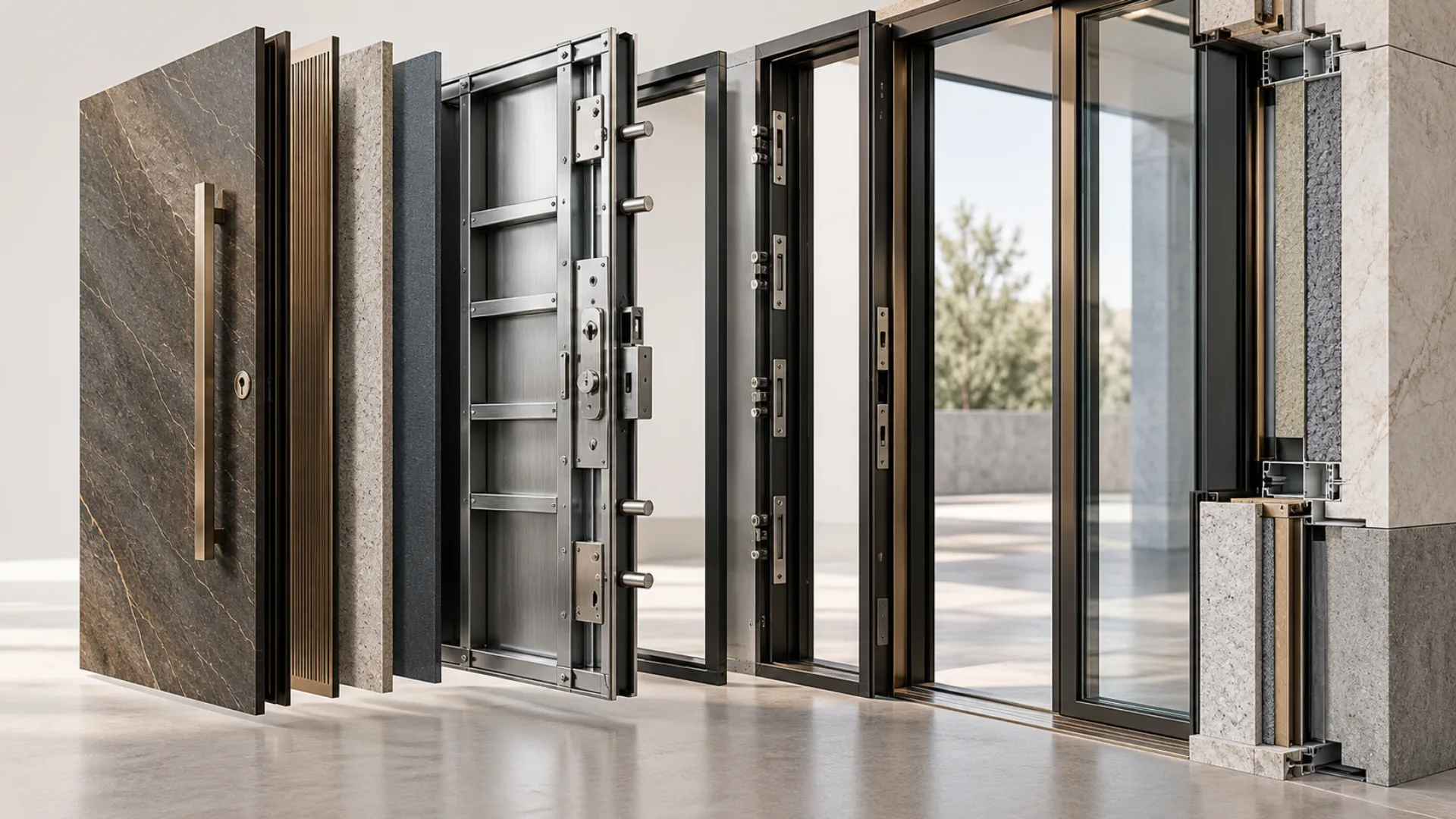
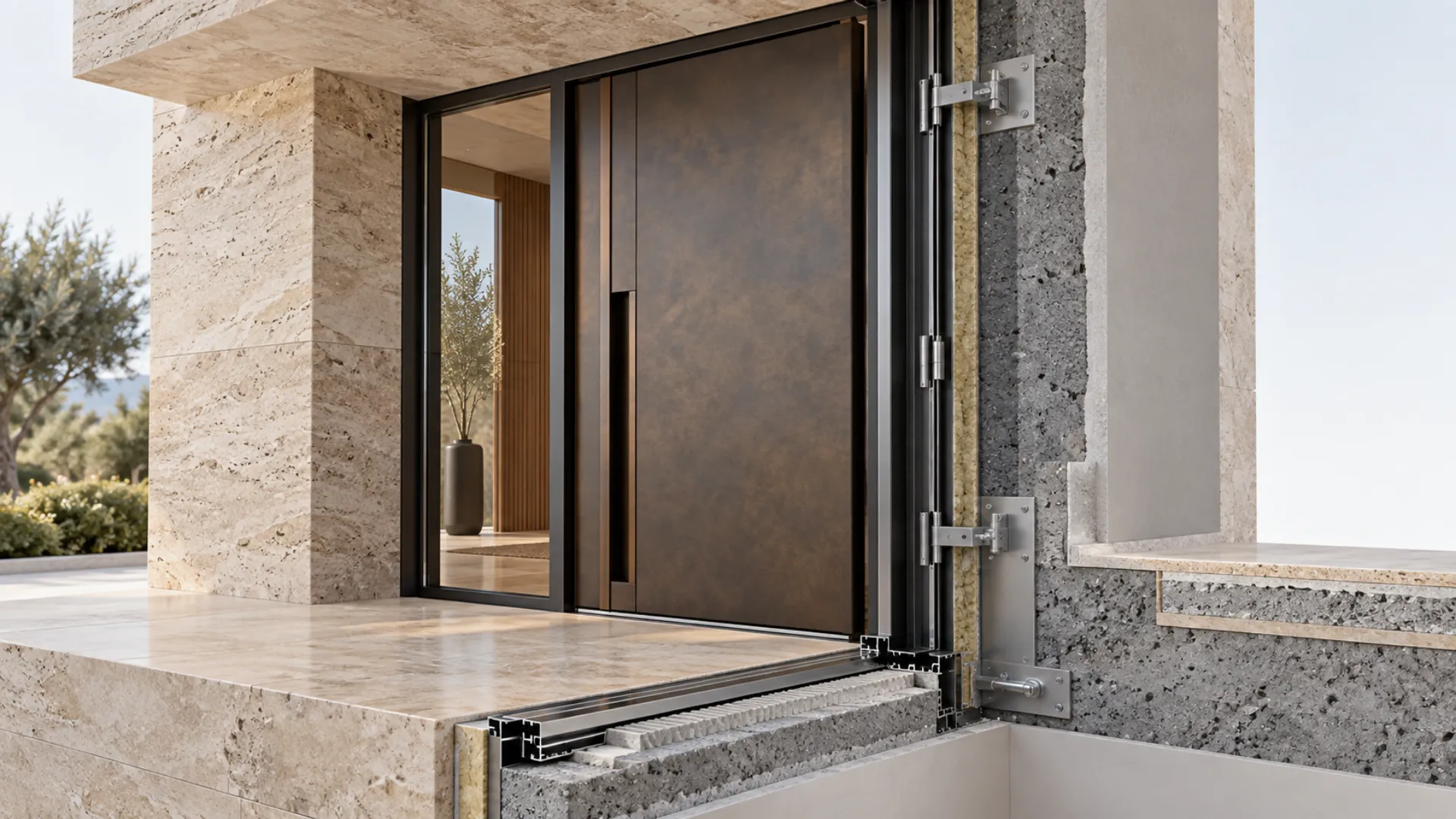
The rating should always be considered as part of a complete, tested system. A secure entrance is not only the door leaf. Its performance can depend on the frame, glazing, locks, hinges, hardware, wall connection and installation method.
That means a beautiful armored door cannot be evaluated by its appearance alone. The relevant question is whether the specific configuration being proposed for the project has been tested, documented and installed as intended.
Minerva offers security solutions across residential, commercial and specialized projects. Learn more about the company’s approach to security doors and windows.
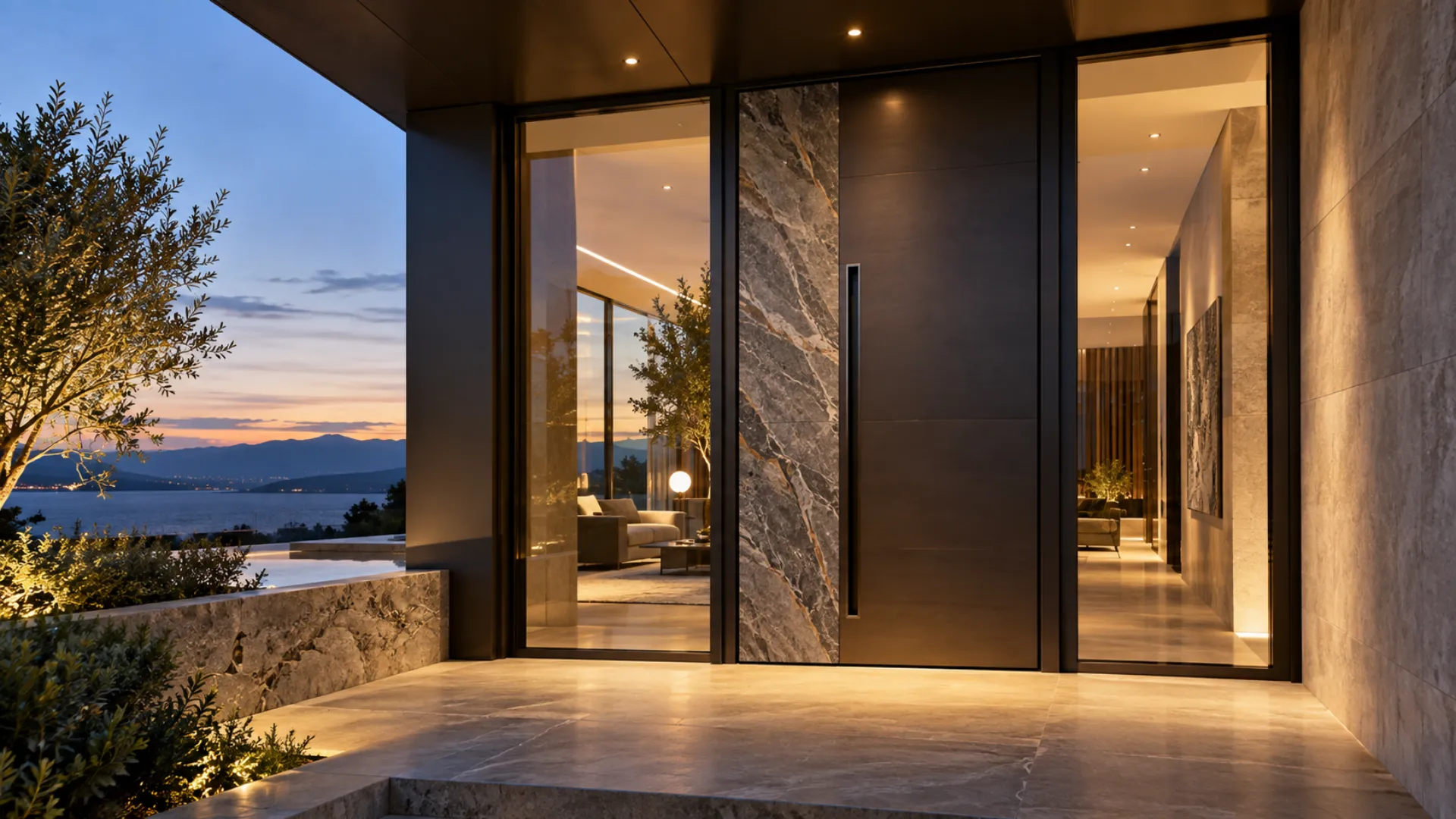
RC3, RC4 and RC5: The Practical Difference
The higher the RC classification, the higher the level of forced-entry resistance expected from the tested system.
RC3: Elevated residential protection
RC3 is often considered when a project requires a meaningful step beyond conventional residential security.
It may be relevant for:
- Luxury homes in urban or suburban locations
- Residences with visible street access
- Renovations where the entrance is a primary vulnerability
- Projects that need a stronger security specification without changing the architectural character of the home
An RC3-rated entrance should still be planned as part of the wider building envelope. Side windows, adjacent glazing, access points and the installation condition all matter.
RC4: High-security residential planning
RC4 is commonly discussed for high-end residences where the risk profile, property value or privacy expectations call for a more robust entrance strategy.
It may be appropriate to assess for:
- Large custom homes and estates
- Residences with more secluded access points
- Homes with valuable collections or high privacy requirements
- Projects where the entrance must combine architectural scale with elevated security
Minerva identifies RC4 within its security offering. However, the final classification should always be confirmed for the exact product, dimensions, finish, glazing and hardware selected for the project.
RC5: Specialized higher-risk requirements
RC5 is generally part of a more specialized security conversation. It may be considered where the project has a heightened risk profile or where an independent security consultant has identified the need for greater resistance.
These projects may include:
- High-profile residences
- Diplomatic or executive properties
- Safe-room entrances
- Properties requiring a layered and professionally assessed security strategy
RC5 should not be selected simply because it is the highest number in a comparison. It needs to be matched to a documented risk assessment, practical use requirements and the complete building-security strategy.
For projects involving a concealed or dedicated secure space, read How to Design a Discreet Panic Room in a Luxury Residence.
An RC Rating Is Not a Ballistic, Fire or Storm Rating
This distinction is essential.
RC security levels relate to resistance against forced entry. They do not, by themselves, confirm performance against every other threat or environmental condition.
A project may separately require:
- Ballistic-resistant construction
- Fire resistance
- Hurricane or storm resistance
- Thermal performance
- Acoustic insulation
- Water and air resistance
- Electronic access control
- Security glazing
Each requirement should be assessed and documented independently.
For example, a coastal residence may need both elevated forced-entry resistance and a climate-specific entrance solution. Hurricane & Storm Resistance: Why Security Doors Are Essential for Coastal Villas explores the environmental side of entrance planning.
A security rating should support the whole project strategy—not replace it.
Specify the Complete Entrance System, Not Only the Door
One of the most common mistakes in security planning is treating the door as an isolated object.
A luxury security entrance should be specified as a coordinated system that includes:
- Door leaf and internal construction
- Frame and anchoring method
- Locking system and cylinders
- Hinges or pivot mechanism
- Handles and access-control hardware
- Glazing, sidelights and transoms
- Wall construction around the opening
- Installation method and site conditions
- Final inspection and handover documentation
Changing one element can affect the final performance. For example, a different glass specification, oversized dimensions, a custom handle or a changed wall detail may require the proposed configuration to be reviewed again.
This does not mean design freedom must be limited. It means design and security should be coordinated from the beginning.
Security Should Be Planned Alongside Architecture
A secure entrance can still be quiet, elegant and visually refined.
The strongest luxury projects do not make security look like an afterthought. Instead, they integrate it with the architecture through proportion, material selection, lighting and detailing.
A custom entrance may use:
- Wood veneer to connect with interior millwork
- Stone or porcelain to create a monolithic façade element
- Metal finishes that complement window frames and exterior lighting
- Concealed frames or carefully designed reveals
- Discreet access-control systems
- Coordinated security glazing
For a closer look at how protective performance and refined design can coexist, read Aesthetic Armor: Can Bulletproof Doors Be Beautiful?.
Questions to Ask Before Selecting an RC-Rated Door
Before approving an entrance system, ask the supplier and project team the following questions:
- What RC classification applies to this exact configuration?
- Does the documentation cover the door, frame, lock, glazing and relevant hardware together?
- Do the proposed dimensions and custom finish remain within the documented configuration?
- How does the system connect to the wall or structural opening?
- Are there separate requirements for ballistic, fire, weather, thermal or acoustic performance?
- What access-control options are compatible with the specified system?
- What installation, inspection and maintenance documentation will be provided?
- Does the solution align with local building requirements and the project security assessment?
These questions create clarity before fabrication begins, when changes are far easier and less costly to manage.
Security Windows and Adjacent Glazing Matter Too
A secure front door can be undermined if the adjacent glazing is not considered.
When an entrance includes sidelights, transoms, large glass panels or nearby windows, the project should evaluate the full opening—not only the central door.
Minerva’s Titan security window system is one example of how glazing can be considered alongside architectural appearance, opening options and security requirements.
The goal is not to make a home feel closed off. It is to create a balanced envelope where security, daylight, views and design work together.
A Better Way to Choose an RC Security Level
The right RC security level should be selected through a structured conversation.
Start with:
- The property’s location and visibility
- The owner’s privacy and security priorities
- The architecture and size of the entrance opening
- Adjacent glazing and alternative access points
- Local climate and building requirements
- Any guidance from a qualified security consultant
- The need for additional performance, such as fire, ballistic or storm resistance
From there, the design team can assess which entrance configuration is appropriate.
Security is most effective when it is proportionate, documented and integrated into the architecture from the first sketch.
Plan Protection Without Compromising Design
RC3, RC4 and RC5 are useful starting points for a security conversation, but they should never be treated as interchangeable labels.
The final specification should reflect the actual property, the intended use of the entrance, the complete tested system and all other project requirements.
A well-planned armored entrance can deliver quiet confidence: robust protection, precise engineering and a design that belongs naturally to the home.
Contact Minerva to discuss the right security strategy for your luxury entrance project.
Frequently Asked Questions
Is RC4 always better than RC3?
RC4 represents a higher resistance classification, but it is not automatically the right choice for every property. The appropriate level depends on the project’s risk profile, architecture and complete security strategy.
Does an RC rating make a door bulletproof?
No. Forced-entry resistance and ballistic resistance are separate performance requirements. If ballistic protection is required, request documentation for that specific performance category.
Does an RC rating apply to the door only?
No. The rating should be considered for the tested system, including relevant elements such as the door, frame, locking hardware, glazing and installation conditions.
Can a luxury pivot door have an RC rating?
A pivot door may be designed as part of a security entrance system, but the final classification must be confirmed for the exact model, dimensions, hardware and installation configuration.
Should security windows be considered with the entrance door?
Yes. Sidelights, transoms and adjacent glazing can be part of the same security strategy and should be assessed alongside the door.
