


Italian leather doors have emerged as the definitive choice for interior designers and high-end clients seeking to merge tactile warmth with structural sophistication. In the world of ultra-luxury residential design, the entry experience is a sensory journey. While wood, glass, and metal dominate the architectural landscape, the addition of artisanal leather cladding introduces a level of refinement that is visually compelling and uniquely personal. For designers working on bespoke projects, integrating premium leather finishes into door design is an exercise in material science as much as it is in art.
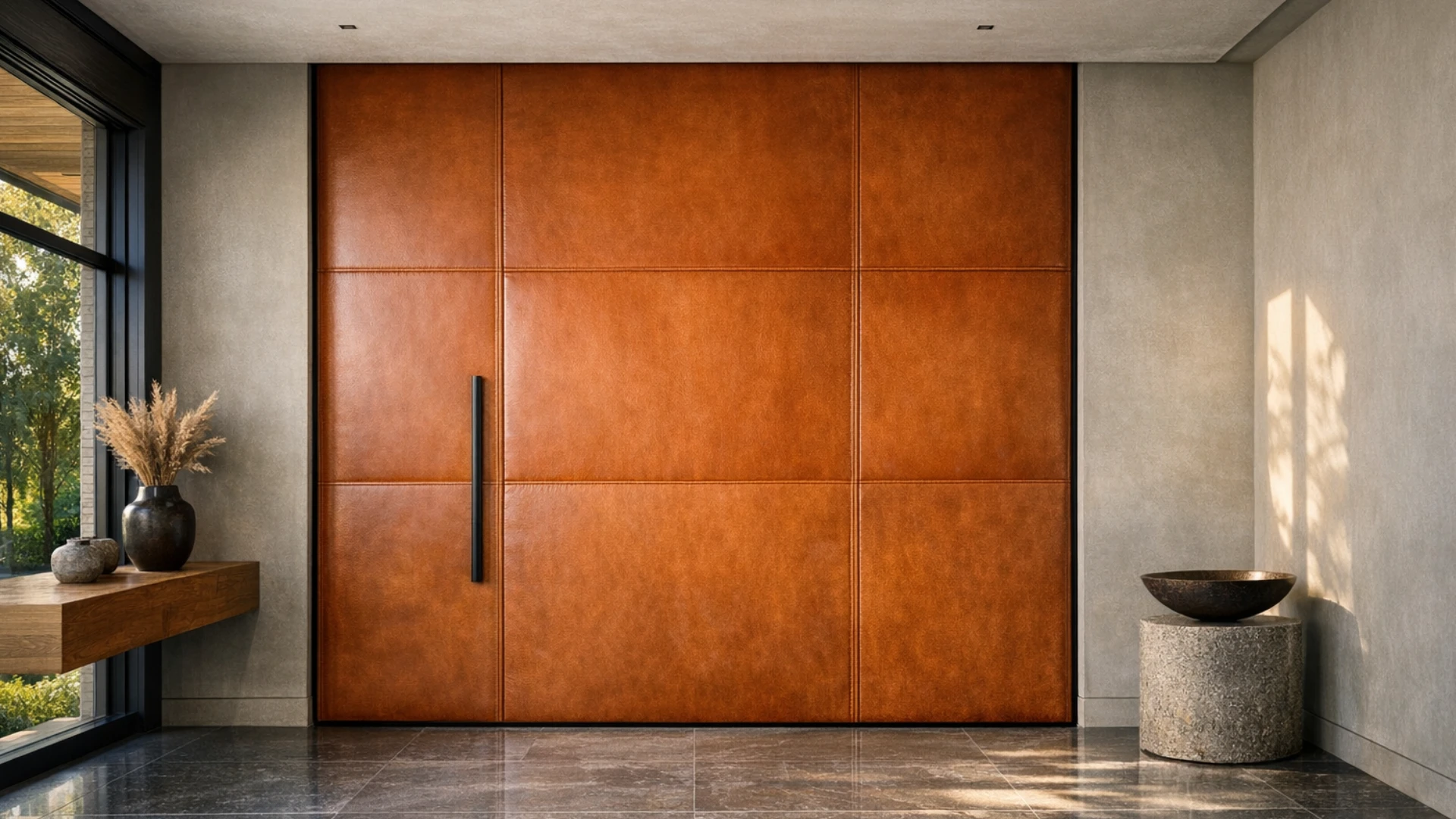
1. The Superior Quality of Italian Tanning
When we discuss Italian leather doors, we are referring to a specific heritage of craftsmanship. The Italian tanning industry, concentrated in regions like Tuscany, utilizes centuries-old vegetable tanning processes that remain unmatched.
Unlike mass-produced, chemically-treated alternatives, high-quality Italian leathers are often full-grain and aniline-dyed. This means the material retains its natural texture, breathability, and “hand.” For door cladding, this is crucial—the leather must be robust enough to handle the structural integrity of a door panel while remaining supple enough to demonstrate its premium provenance. Designers often reference the Leather Working Group standards to ensure that the sourced materials meet environmental and quality benchmarks.
2. Unrivaled Tactile Engagement
Architecture is often criticized for being purely visual. Italian leather doors break this barrier by inviting physical interaction. When a homeowner engages with a leather-clad entry system, the immediate sensation is one of comfort, warmth, and opulence.
For detail-oriented clients, the “touch” is the ultimate indicator of quality. A leather-wrapped handle or a fully clad door panel creates a connection between the user and the home that synthetic finishes simply cannot replicate. It softens the acoustics of an entryway, absorbing sound and adding a layer of quiet luxury to the home’s interior envelope.
3. Engineering Bespoke Leather Cladding
Implementing Italian leather doors requires precise engineering. Leather is an organic material—it expands and contracts with humidity and temperature. A Minerva-grade door requires a stable substrate, typically a moisture-resistant engineered core, to which the leather is bonded.
Designers must consider:
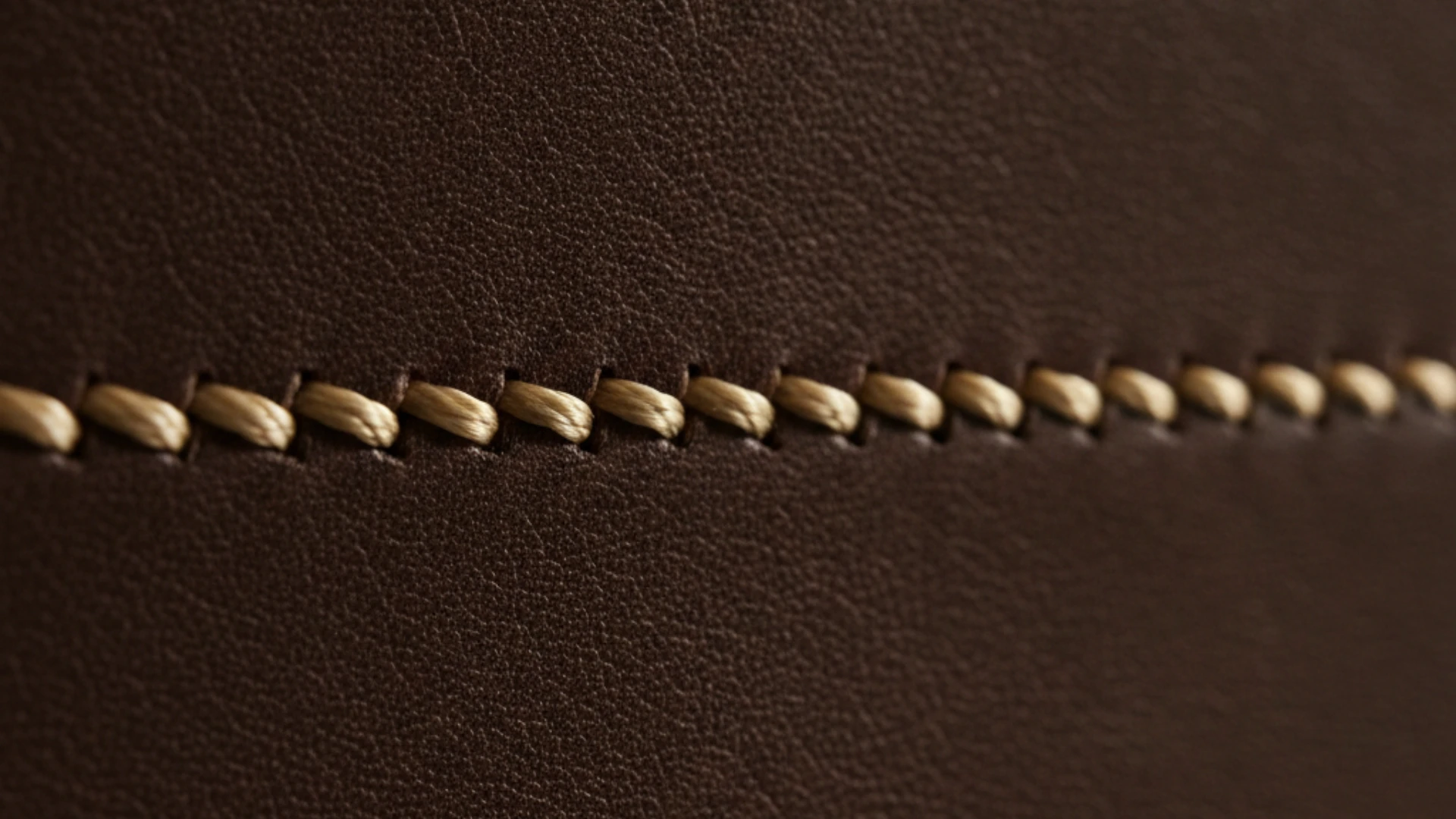
- Edge Finishing: The transition between the leather and the door frame must be seamless, often requiring precise saddle stitching or “wrapped” edge techniques.
- Adhesion Systems: High-performance, flexible adhesives are necessary to accommodate the material’s natural movement without delamination.
- Hardware Integration: Flush-mounted hardware or custom-machined pulls must be calculated to sit perfectly within the leather’s depth, maintaining a flush profile.
4. Design Versatility and Customization
One of the primary benefits of Italian leather doors is the sheer range of customization. Designers are not limited to standard finishes. You can specify:
- Grain Patterns: From the refined, consistent grain of nappa to the distinct, rugged character of full-grain hides.
- Stitching Details: Hand-applied contrast stitching, decorative embossing, or geometric tufting can turn a door panel into a sculptural focal point.
- Color Palette: Italian tanneries offer an expansive spectrum, from deep, moody earth tones to vibrant, modern hues that serve as the anchor for an interior’s color scheme.
5. The Art of Patina
Perhaps the most compelling argument for choosing Italian leather doors is their evolution over time. Unlike paint or laminate, which degrade with wear, high-quality Italian leather develops a patina. It darkens, softens, and gains character, effectively “recording” the history of the home. This makes the door a living element of the architecture—one that becomes more beautiful and storied as the years pass.
Integrating Leather into Your Project
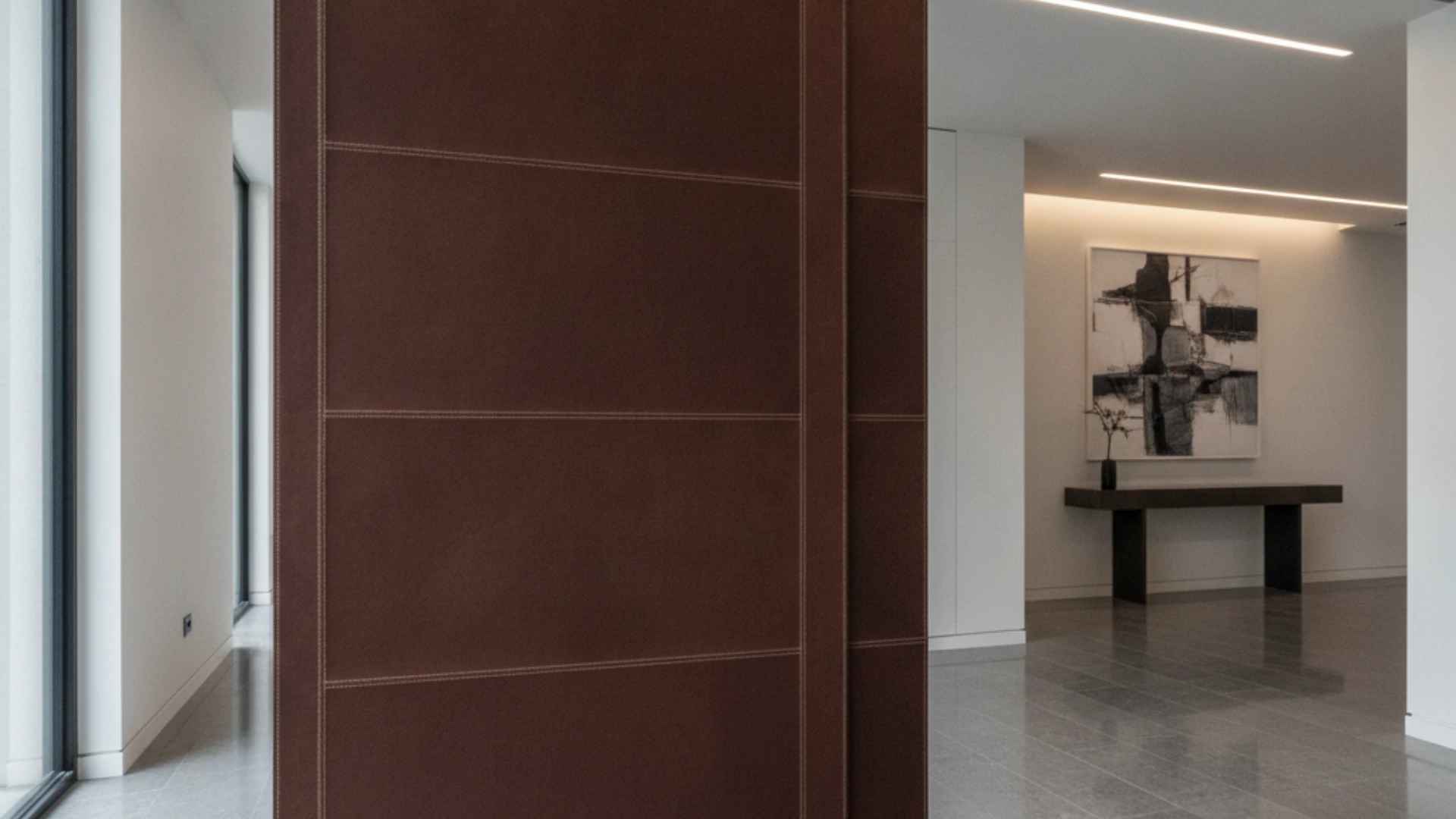
For architects and designers, the challenge is balancing this traditional material with modern engineering. Whether you are working on a pivot door system or a secure entry for a high-security residence, leather can be integrated as a subtle accent or a full-panel finish.
The result is a sophisticated residential feature that bridges the gap between traditional craftsmanship and contemporary performance. If you are looking to elevate your next project with bespoke material integration, reach out to our engineering team to discuss the technical feasibility of your design vision.
