


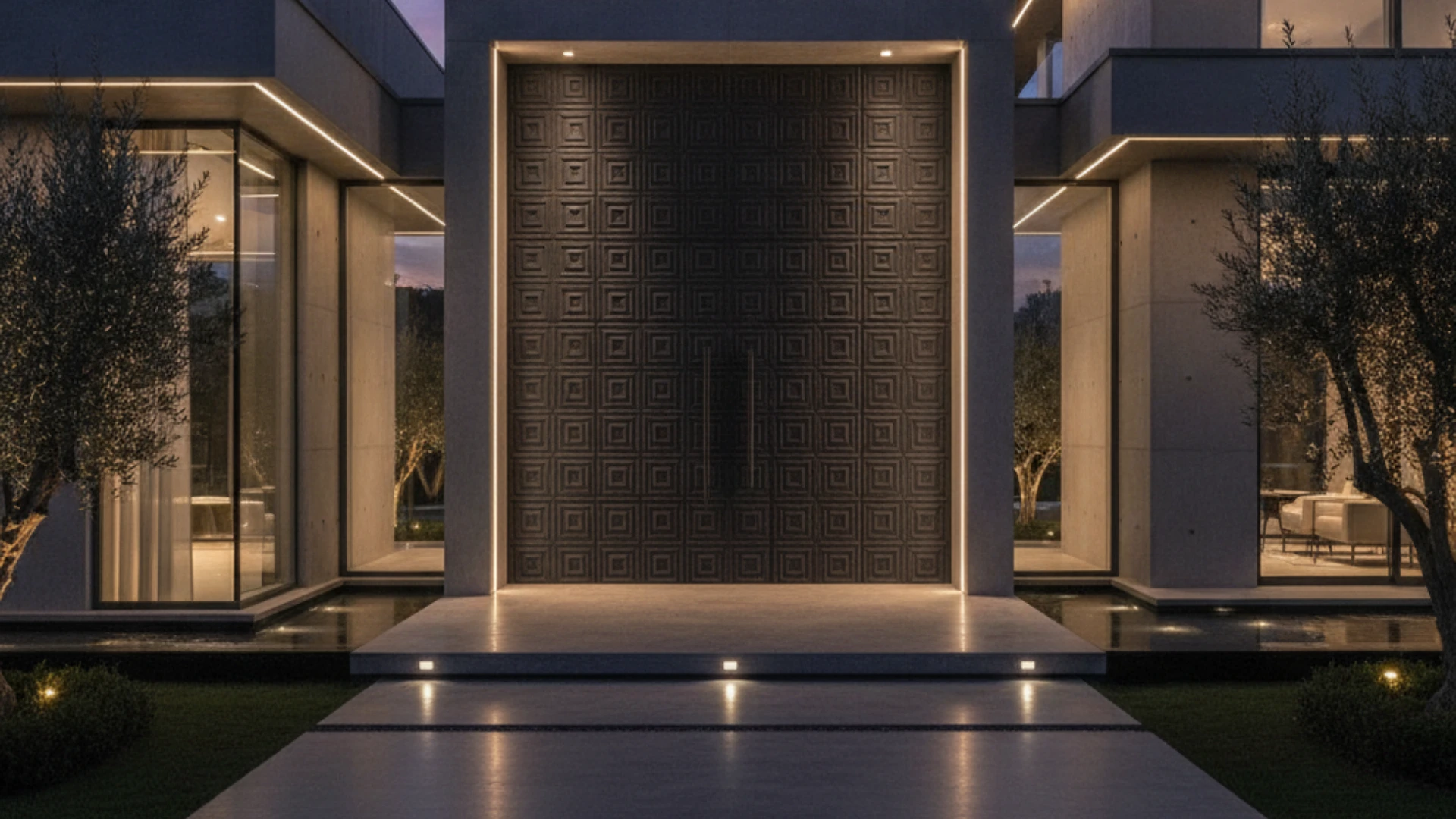
3D porcelain cladding is redefining the boundaries of architectural surfaces, moving far beyond the flat, sterile tiles of the past. In the realm of high-end residential and commercial design, the demand for “tactile luxury”—materials that offer both visual depth and physical texture—has reached an all-time high. Porcelain, once relegated to flooring and wet areas, has undergone a technological metamorphosis, becoming a premier medium for cladding sophisticated entry systems and feature doors.
For architects and developers in North America and Canada, the shift toward 3D porcelain cladding represents a strategic move toward materials that marry the aesthetics of natural stone or rare minerals with the extreme durability required by modern building envelopes.
1. The Evolution of Architectural Porcelain
Traditional door finishes like wood, metal, or lacquer are susceptible to environmental stressors: UV degradation, moisture absorption, and physical abrasion. 3D porcelain cladding introduces a paradigm shift.
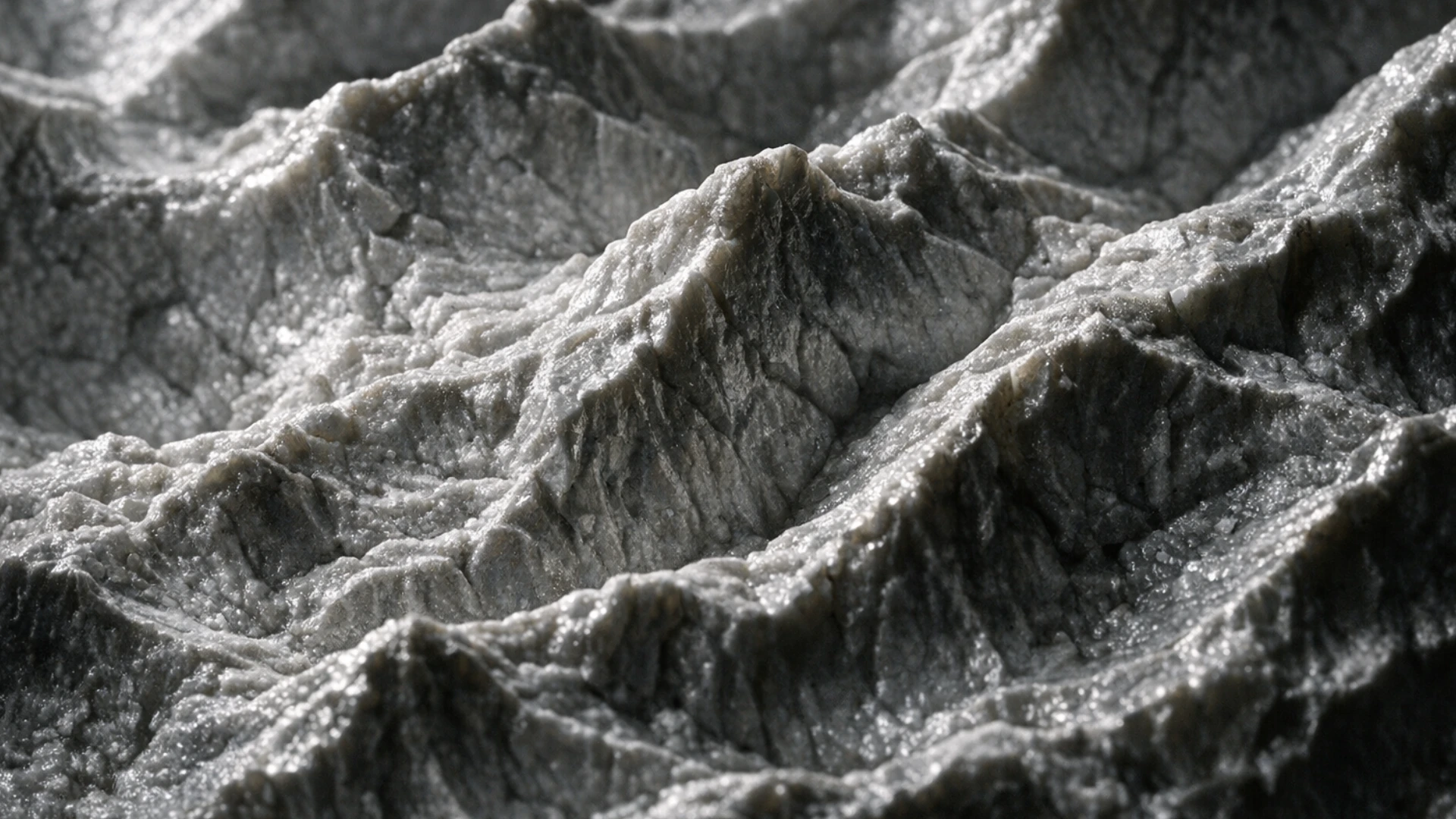
Through advanced digital printing and high-definition relief molding, porcelain slabs can now mimic complex textures—from deep-grooved basalt and weathered limestone to intricate geometric patterns. This is not a mere “print”; it is a physical topographical change on the surface of the material, creating a play of light and shadow that evolves as the sun moves across the facade.
2. Unmatched Durability: The Engineering Edge
The primary driver behind the adoption of 3D porcelain cladding in high-profile projects is its near-indestructible nature. Unlike wood, which requires periodic sealing, or metal, which can oxidize, porcelain is chemically inert and highly resistant to the elements.
Key technical advantages include:
- Zero Porosity: Porcelain’s extremely low water absorption rate makes it impervious to frost, humidity, and salt air—a critical factor for coastal luxury villas.
- UV Stability: The pigments used in high-end porcelain are vitrified (turned to glass) during the firing process, ensuring that colors remain vibrant for decades without fading under intense sunlight.
- High Scratch & Impact Resistance: The Mohs hardness of porcelain allows it to withstand heavy foot traffic and accidental impacts, making it ideal for high-traffic entranceways.
- Chemical Resistance: It is resistant to cleaning agents, making it a “set and forget” material for busy, high-profile households.
3. Creating Visual Depth with 3D Textures
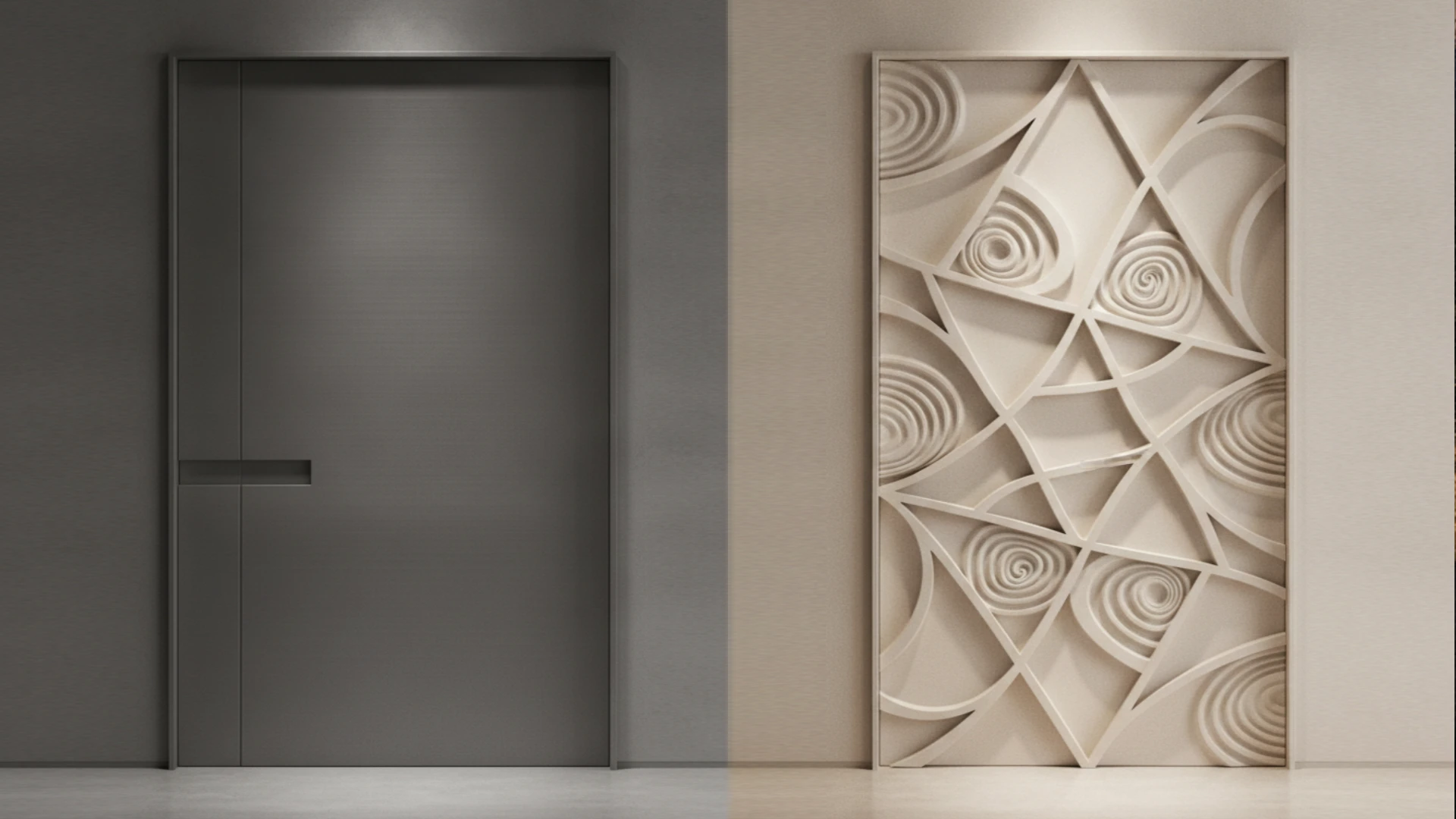
In modern minimalism, the challenge is to create visual interest without clutter. 3D porcelain cladding provides “texture-as-ornament.” Instead of applying decorative moldings, designers use the physical relief of the porcelain itself to create movement.
When applied to large-format door panels or pivot systems, these textures can:
- Enhance Scale: Large-format slabs (often exceeding 1.6m x 3.2m) minimize grout lines, creating a seamless, monolithic appearance that makes entryways look grander.
- Manipulate Light: The 3D ridges and valleys catch ambient light, providing a dynamic appearance that changes based on the viewing angle.
- Bridge Indoors and Outdoors: Because the material is equally suited for interior walls and exterior facades, it allows for a seamless architectural transition, a hallmark of contemporary luxury design.
4. The Technical Challenge: Installation and Substrates
While the benefits of 3D porcelain cladding are immense, its implementation requires precision engineering. Because porcelain slabs are rigid and heavy, they cannot be applied to standard door leaves.
Professional installation requires:
- Reinforced Substrates: A high-strength aluminum or steel core is necessary to support the weight of the porcelain and the mechanical forces of the door’s movement.
- Specialized Adhesives: High-modulus, flexible epoxy systems are used to bond the cladding to the substrate, allowing for minor thermal expansion without cracking.
- Precision CNC Cutting: To achieve the seamless look required for luxury projects, the slabs must be precision-cut to accommodate hinges, locks, and handle integration.
5. Sustainability and Longevity
For the eco-conscious client, porcelain is a superior choice. Its extreme longevity means fewer replacement cycles, reducing the overall carbon footprint of the building’s lifecycle. Furthermore, the raw materials (clay, sand, and minerals) are abundantly available and highly recyclable.
As we look toward the future of high-end construction, 3D porcelain cladding stands as a testament to how technology can elevate natural beauty into a permanent, structural statement.
Conclusion
The integration of 3D porcelain cladding into door design is more than a trend; it is a technological response to the need for durable, expressive, and low-maintenance luxury. For those seeking to build residences that are as resilient as they are beautiful, porcelain offers the perfect intersection of art and engineering.
To learn more about combining textures in your next project, explore our guides on Italian leather door finishes or our deep dive into architectural pivot door mechanics.
