


Blast-resistant entry systems are no longer limited to embassies, government compounds, or military facilities. Today, they are becoming an essential feature in luxury residential architecture, especially among interior designers and detail-oriented homeowners who demand both elevated security and uncompromising aesthetics.
In high-end residences across the United States and Canada, designers are increasingly integrating blast-resistant entry systems into sophisticated interior concepts without disrupting the visual harmony of the home. The modern approach to residential security is no longer about visible fortification—it is about invisible engineering concealed within exceptional design.
1. Why Designers Are Rethinking Residential Security
Luxury homeowners are becoming more aware of structural vulnerabilities in residential architecture. Large entry openings, oversized pivot doors, and glass-heavy facades create stunning visual experiences, but they also introduce security concerns.
This is where blast-resistant entry systems provide a unique advantage.
Unlike traditional armored doors that often appear industrial or overly aggressive, modern blast-resistant systems are engineered specifically for architectural integration. Interior designers can now specify security-rated doors that align with:
- minimalist interiors
- warm contemporary spaces
- modern coastal residences
- transitional luxury homes
- ultra-modern architectural projects
For detail-oriented clients, the ability to maintain visual purity while upgrading protection has become a major priority.
2. Invisible Engineering Behind the Design
One of the biggest innovations in modern blast-resistant entry systems is the concealment of structural reinforcement.
Advanced systems now integrate:
Reinforced Steel Substructures
The core structural frame is hidden behind premium finishes, allowing the entry system to maintain elegant proportions and clean detailing.
Concealed Multi-Point Locking
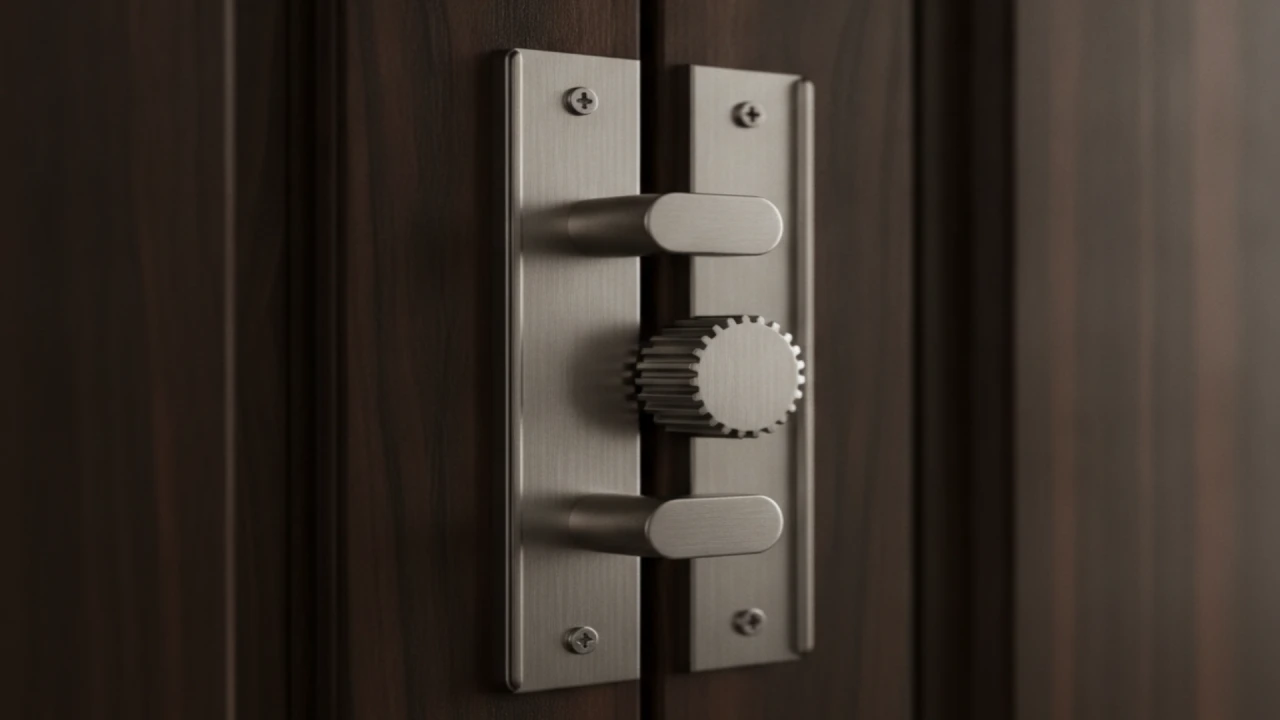
Heavy-duty locking mechanisms are integrated internally, eliminating the bulky appearance associated with older security doors.
Architectural Surface Finishes
Today’s blast-resistant doors can be finished with:
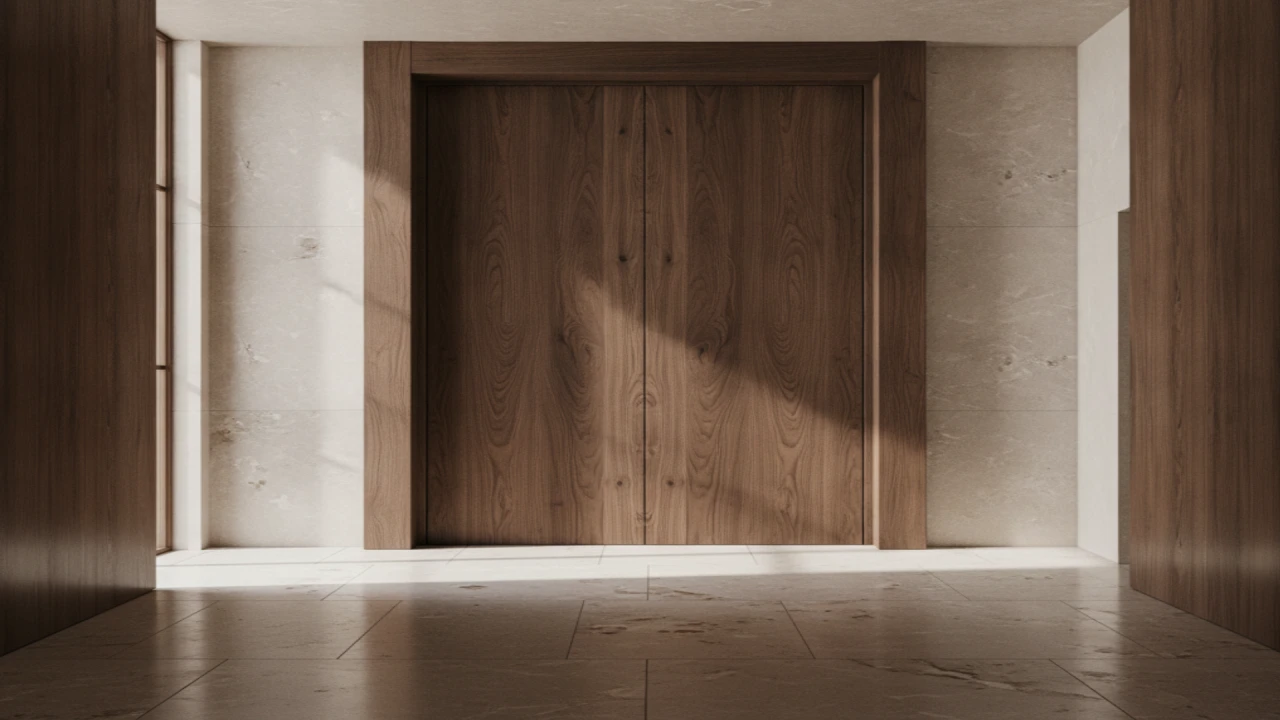
- natural walnut veneer
- smoked oak panels
- matte bronze cladding
- textured stone surfaces
- custom lacquer finishes
This allows the entry door to function as a centerpiece of the interior design language rather than a visible security element.3. Large Pivot Doors Meet High Security
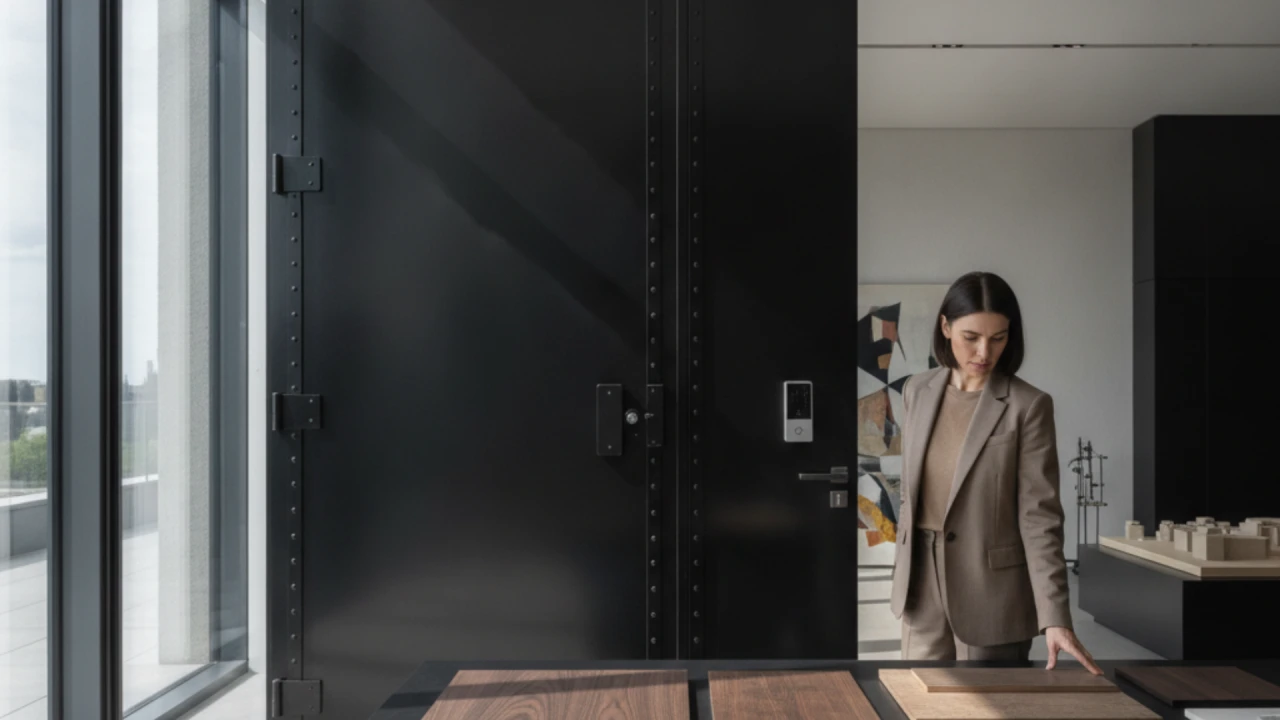
Oversized pivot doors are one of the defining elements of modern luxury homes. However, scaling these doors while maintaining structural security presents major engineering challenges.
Modern blast-resistant entry systems solve this problem through:
- reinforced pivot hardware
- load-distribution systems
- concealed structural cores
- pressure-resistant framing systems
The result is a large-format architectural door that operates with remarkable smoothness while still delivering high-level protection.
For designers, this creates new freedom to specify dramatic entry experiences without sacrificing security performance.
3. Acoustic Comfort and Environmental Performance
Another reason designers are switching to blast-resistant entry systems is their exceptional environmental performance.
Because these systems require extremely tight seals and reinforced construction, they also provide:
- superior acoustic insulation
- enhanced thermal performance
- improved weather resistance
- reduced air infiltration
In luxury urban residences or coastal villas, this contributes significantly to interior comfort and privacy.
Organizations such as ASTM International and ISO continue to establish performance standards for advanced security assemblies used in residential and commercial architecture.
4. Security Without Compromising Luxury
For high-end clients, security must feel effortless. The best blast-resistant entry systems do not visually announce themselves. Instead, they quietly integrate into the architecture while delivering advanced structural resilience behind the surface.
This shift reflects a broader movement in luxury design: homeowners increasingly prefer discreet protection over visible fortification. Interior designers are responding by selecting materials, hardware, and entry systems that blend security with craftsmanship.
The result is a home that feels refined, calm, and architecturally cohesive—while still engineered for extraordinary protection.
Conclusion
As luxury residential design continues to evolve, blast-resistant entry systems are becoming a preferred solution for interior designers and detail-oriented homeowners seeking both safety and sophistication.
By combining invisible engineering, premium materials, and architectural flexibility, these systems redefine what high-security residential design can look like in modern luxury homes.
To explore related solutions, visit our guides on architectural pivot doors, RC5 armored entry systems, and luxury panic room integration.
