


RC4 and RC5 armored door classifications represent the highest levels of residential intrusion resistance available for luxury homes and high‑security environments. For VIP homeowners, diplomats, and security‑conscious high‑net‑worth individuals across the United States and Canada, a standard security door is often not enough. When a residence must withstand determined, professional attempts at forced entry, the discussion quickly moves into the territory of certified armored door systems.
Understanding the difference between RC4 and RC5 security ratings is essential for architects, security consultants, and homeowners designing properties where safety, discretion, and architectural elegance must coexist.
The Foundation: What Are RC Security Classifications?
RC ratings come from the EN 1627 European security standard, one of the most widely respected testing systems for burglary resistance. “RC” stands for Resistance Class, and the classification indicates how well a door, window, or security element can withstand a simulated forced‑entry attack using specific tools over a defined period of time.
Each level increases the difficulty, time, and expertise required for an intruder to break through.
For high-security residential applications, two levels stand out:
- RC4 — Professional burglar resistance
- RC5 — High-security resistance against advanced tools
These levels are typically specified for embassies, safe rooms, executive residences, and luxury homes requiring elevated protection.
RC4 Armored Doors: Protection Against Professional Intruders
RC4 armored doors are engineered to resist attacks from experienced burglars using heavy-duty tools.
During certification testing, RC4 doors must withstand sustained attacks using tools such as:
- Crowbars and heavy pry bars
- Hammers and chisels
- Hand drills and cordless power tools
- Axes or similar striking tools
The testing process simulates a determined intruder who understands structural weak points and actively attempts to exploit them.
To pass RC4 certification, the door system—including frame, hinges, locking mechanisms, and core materials—must resist forced entry for a defined resistance time under continuous attack.
Engineering Characteristics of RC4 Doors
High-quality RC4 armored doors often include:
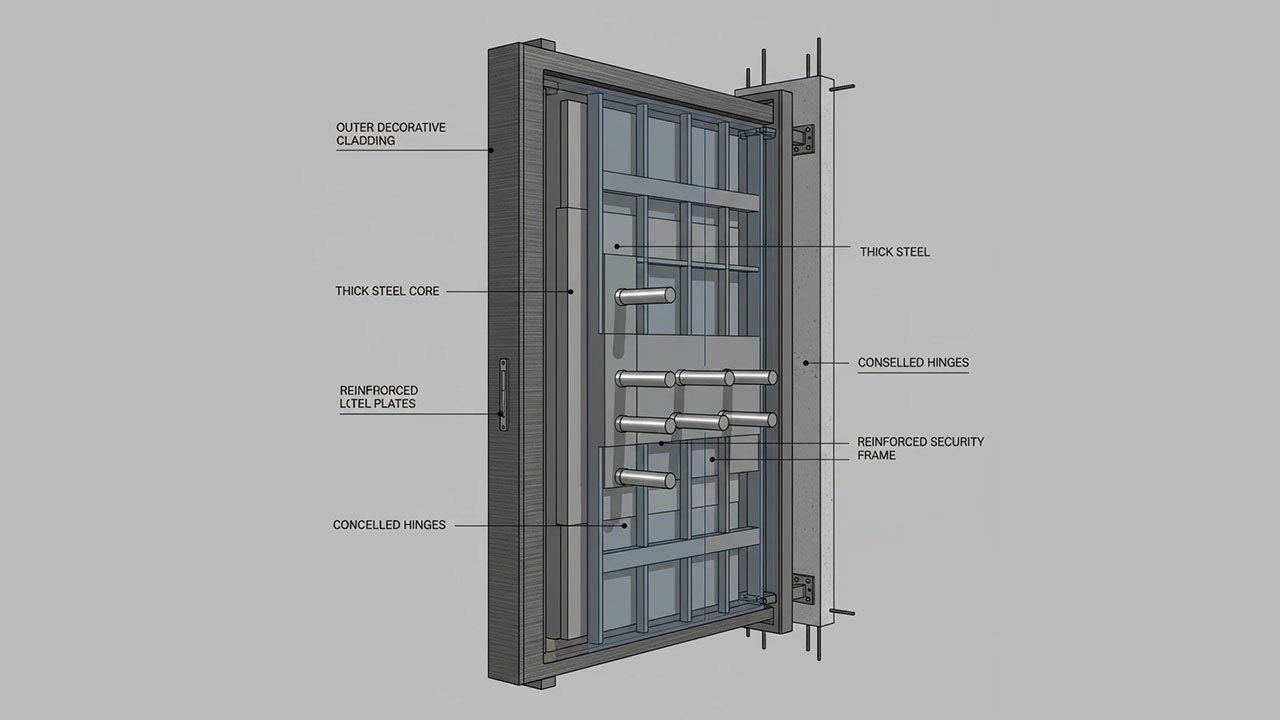
- Reinforced steel structural cores
- Multi‑layer composite construction
- Multi-point locking systems with reinforced steel bolts
- Hardened steel plates protecting the lock cylinder
- Anti‑drill and anti‑cut components
- Reinforced hinge systems with anti‑lift protection
These doors are designed to defeat the most common forms of residential forced entry: prying, drilling, and structural leverage attacks.
For many luxury homes, RC4 represents the optimal balance between security, architectural integration, and daily usability.
RC5 Armored Doors: Security Against Advanced Power Tools
RC5 represents a significantly higher level of intrusion resistance. At this classification, the testing assumes that an attacker is equipped with advanced power tools and specialized cutting equipment.
Tools used in RC5 testing can include:
- High‑powered electric drills
- Angle grinders
- Reciprocating saws
- Industrial-grade cutting tools
The objective is to simulate a targeted attack on a high-value property, where the intruder arrives prepared with professional equipment.
To withstand this level of attack, RC5 doors require far more robust engineering.
Structural Features of RC5 Doors
Typical characteristics of RC5 armored doors include:
- Thick ballistic-grade steel cores
- Multi-layer armored construction
- Reinforced steel frames anchored deeply into the wall structure
- Heavy-duty locking systems with multiple reinforced locking bolts
- Hardened anti-cut barrier plates
- Advanced anti-drill and anti-grinder components
These doors are often integrated into secure rooms, panic rooms, executive residences, and diplomatic facilities.
The design priority shifts from simply delaying intruders to actively resisting highly aggressive attack methods.
Why Resistance Time Matters in Real Security
In high-security architecture, the most valuable resource is often time.
Security engineers design armored doors with the understanding that most attackers abandon an attempt if they cannot breach the entry point within a reasonable timeframe. Certified resistance levels ensure that a door system can withstand sustained attack long enough for:
- Security teams to respond
- Alarm systems to trigger intervention
- Occupants to reach a protected safe room
- Law enforcement to arrive
For VIP residences and diplomatic properties, this delay factor is a critical component of the overall security strategy.
Integrating High Security Without Sacrificing Design
One of the major misconceptions about armored doors is that they must look industrial or defensive. Modern engineering has changed that completely.
Today’s high-end armored doors can incorporate luxury materials such as:
- Natural stone panels (marble or granite)
- Solid hardwood architectural finishes
- Metal or bronze cladding
- Custom architectural paneling
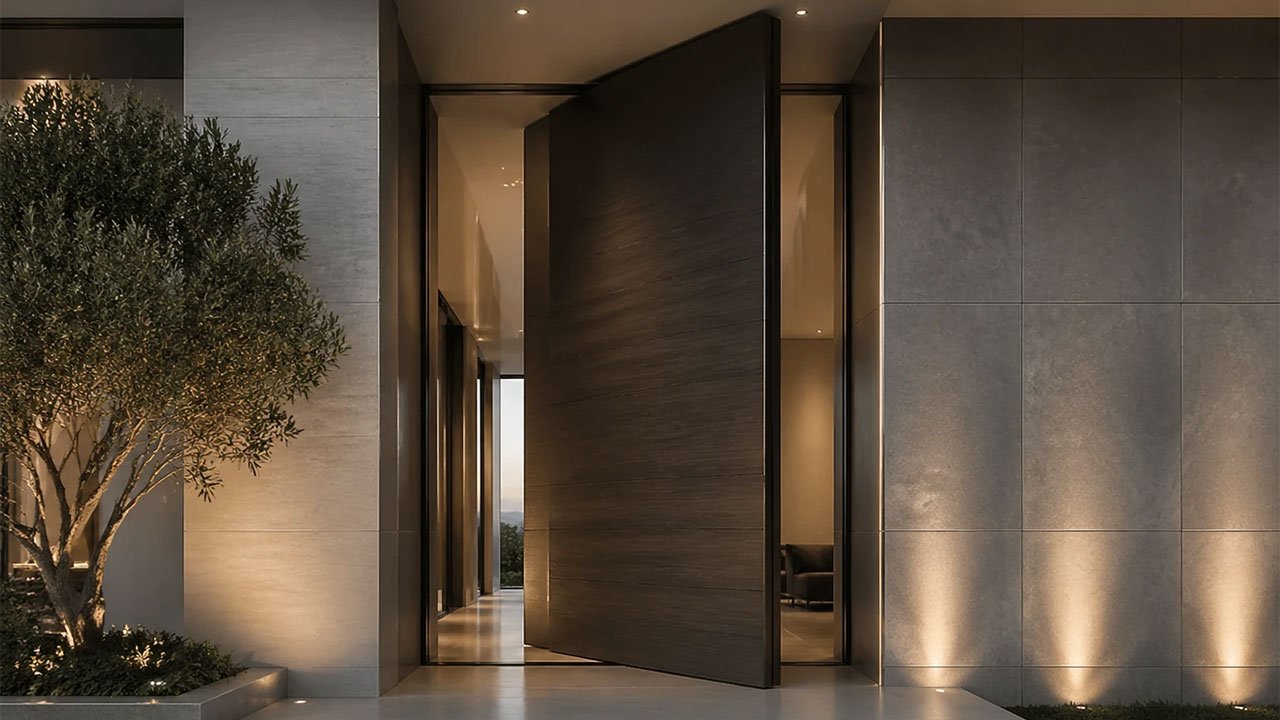
The armored structure remains concealed within the door core, allowing architects to design seamless luxury entrances without compromising protection.
For contemporary homes in cities like Toronto, Vancouver, Miami, Los Angeles, or New York, this balance between aesthetics and security is particularly important.
Choosing Between RC4 and RC5 for a Luxury Residence
Selecting the correct security classification depends on the risk profile of the property and its occupants.
RC4 doors are commonly chosen for:
- High-end private residences
- Luxury penthouses
- Gated estates
- Executive homes requiring strong intrusion resistance
RC5 doors are typically specified for:
- VIP or diplomatic residences
- High-profile individuals with elevated security concerns
- Panic rooms or safe rooms
- Properties requiring maximum forced-entry resistance
In many projects, architects combine both approaches—using RC4 doors for main entrances and RC5-rated doors for secure interior zones such as panic rooms.
Security That Works Quietly
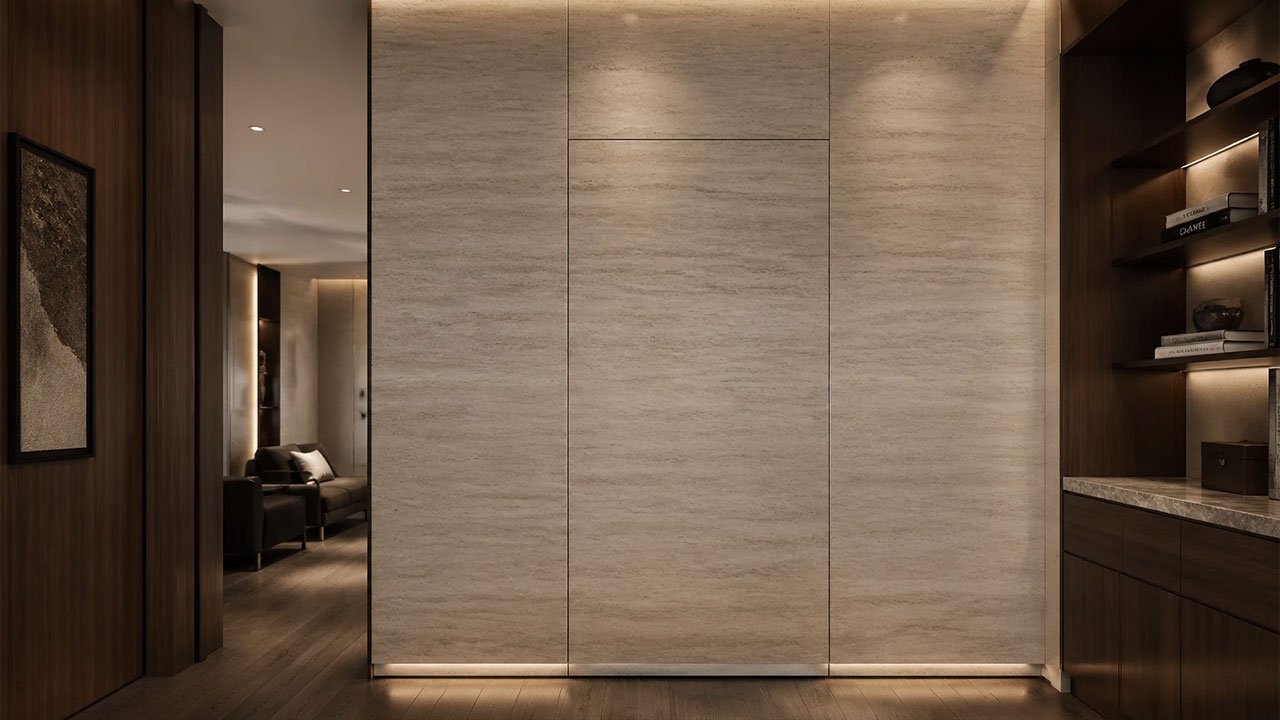
True luxury security is not loud or obvious. It works silently in the background, reinforcing the architecture while remaining almost invisible.
An RC4 or RC5 armored door is more than a barrier—it is part of a comprehensive protective system designed to safeguard people, property, and peace of mind.
For those who require more than standard protection, understanding these classifications is the first step toward designing an entrance that offers both architectural elegance and uncompromising security.
